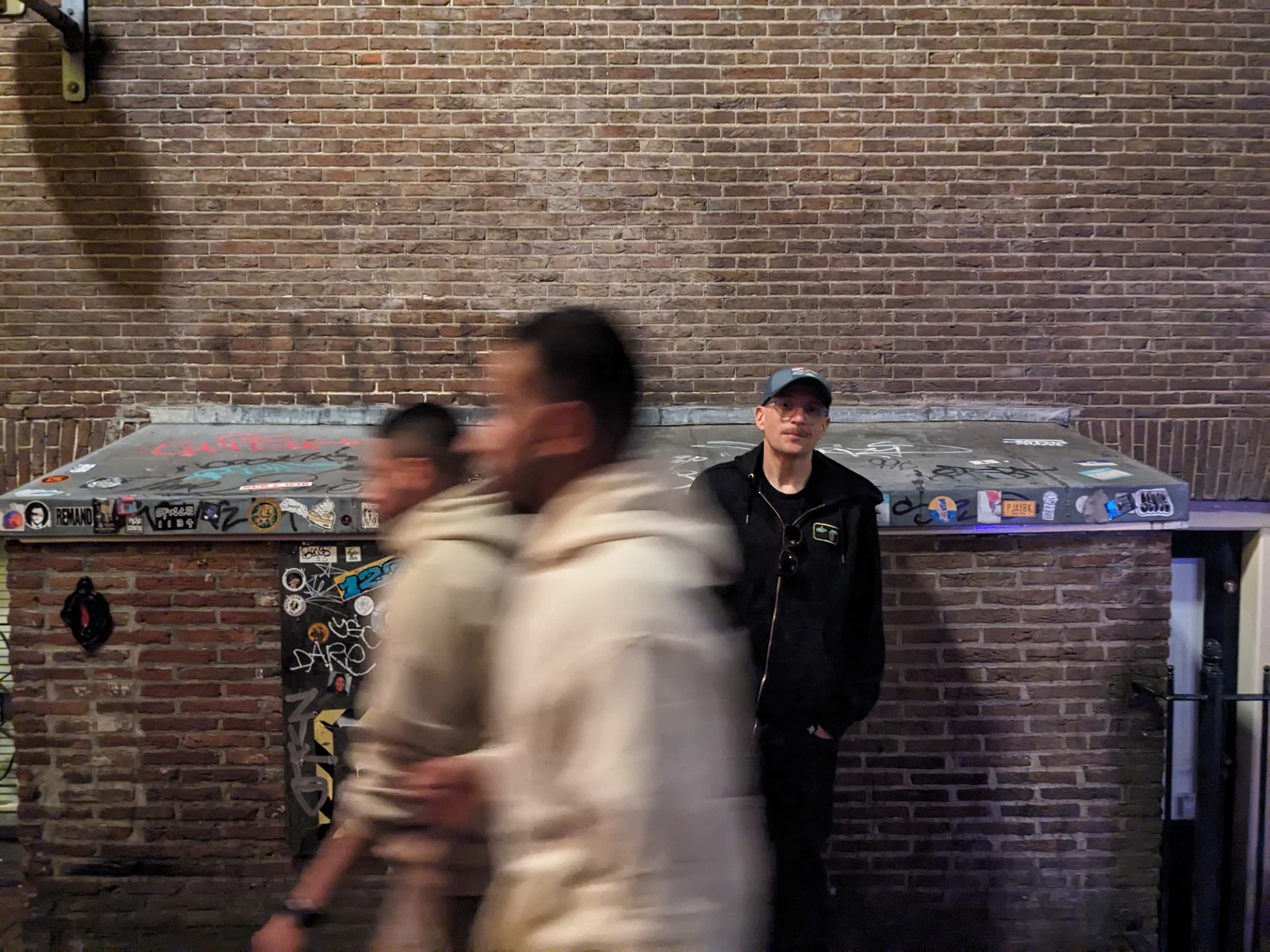
Justin Larsen
Professional Person Who Yells At Clouds On Your Behalf
Head of Technology at Traeger Grills (NYSE: COOK). I run a 32-person technology team, where engineers design AI agents instead of code and the whole company can talk to its data.
Jump to ResumeTwenty years of building things that work at scale — event platforms, databases, infrastructure, teams. My interests have always varied but I'm a passionate system builder. Started in networking administration, went into software QA and then onwards to data and beyond to event-driven systems. If I wasn’t doing this, I’d probably be trying to help humans understand the secrets of space... Ideally WITHOUT being a test subject.
Currently leading technology for Traeger Grills, based in Salt Lake City, Utah. Doing my best to help people use technology in ways that actually make their work life easier.
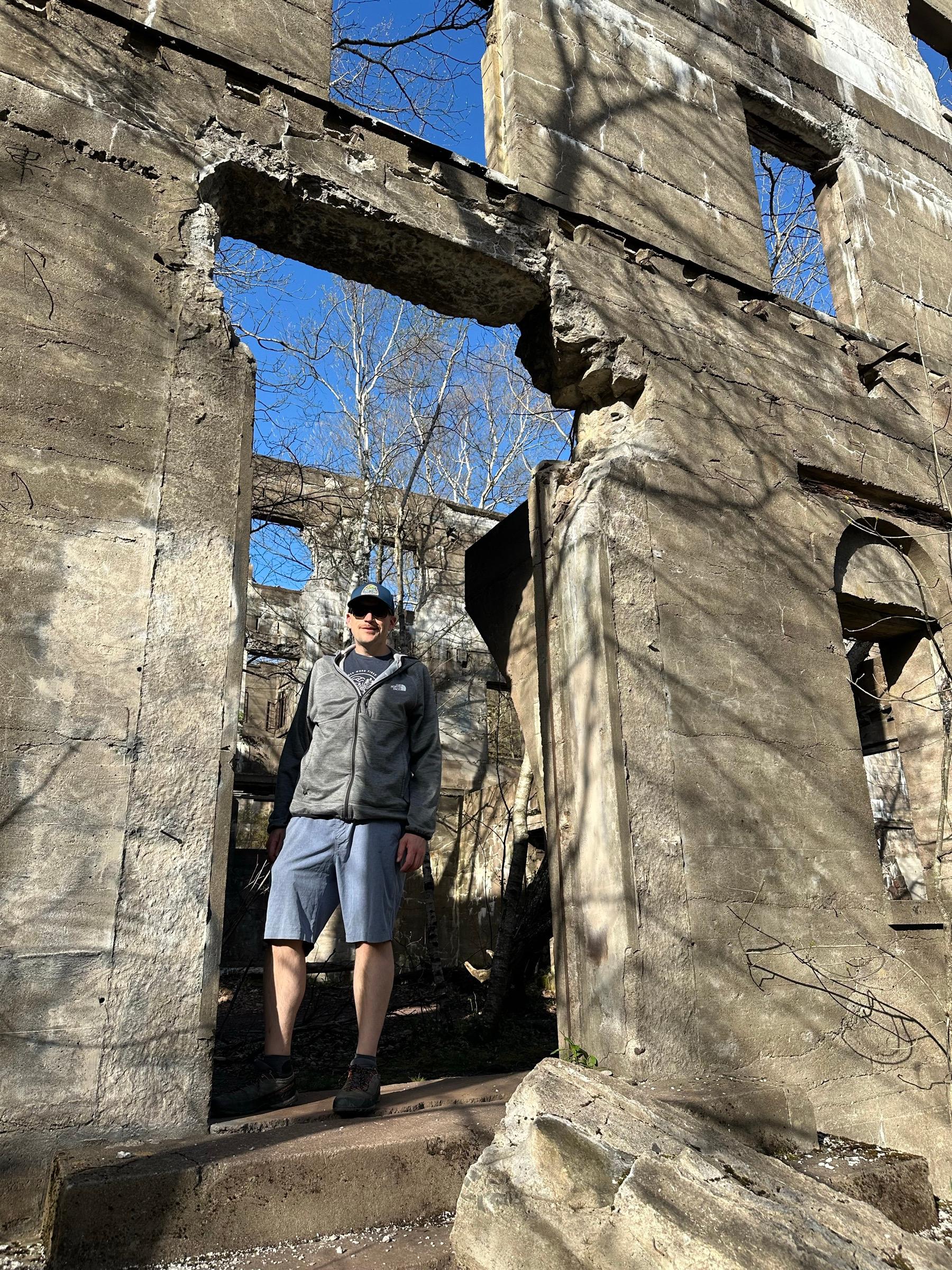
Early Career - Dirty Work
My first tech job: building custom RJ-45 data poles for a Verio data center in Provo at the rise of the dotcom boom. Worked as an escalation tech for Microsoft, Compaq, and Handspring and certified as an EMT-I in the warehouse at an outsourcing firm. Moved from the phones to debugging outbound dialers, T1 trunks, and aging servers with dubious support licenses. The start of my career was full of unglamorous work that taught me how things actually run.
The lesson that stuck: Stay connected to the front line. The people closest to the work understand it best.
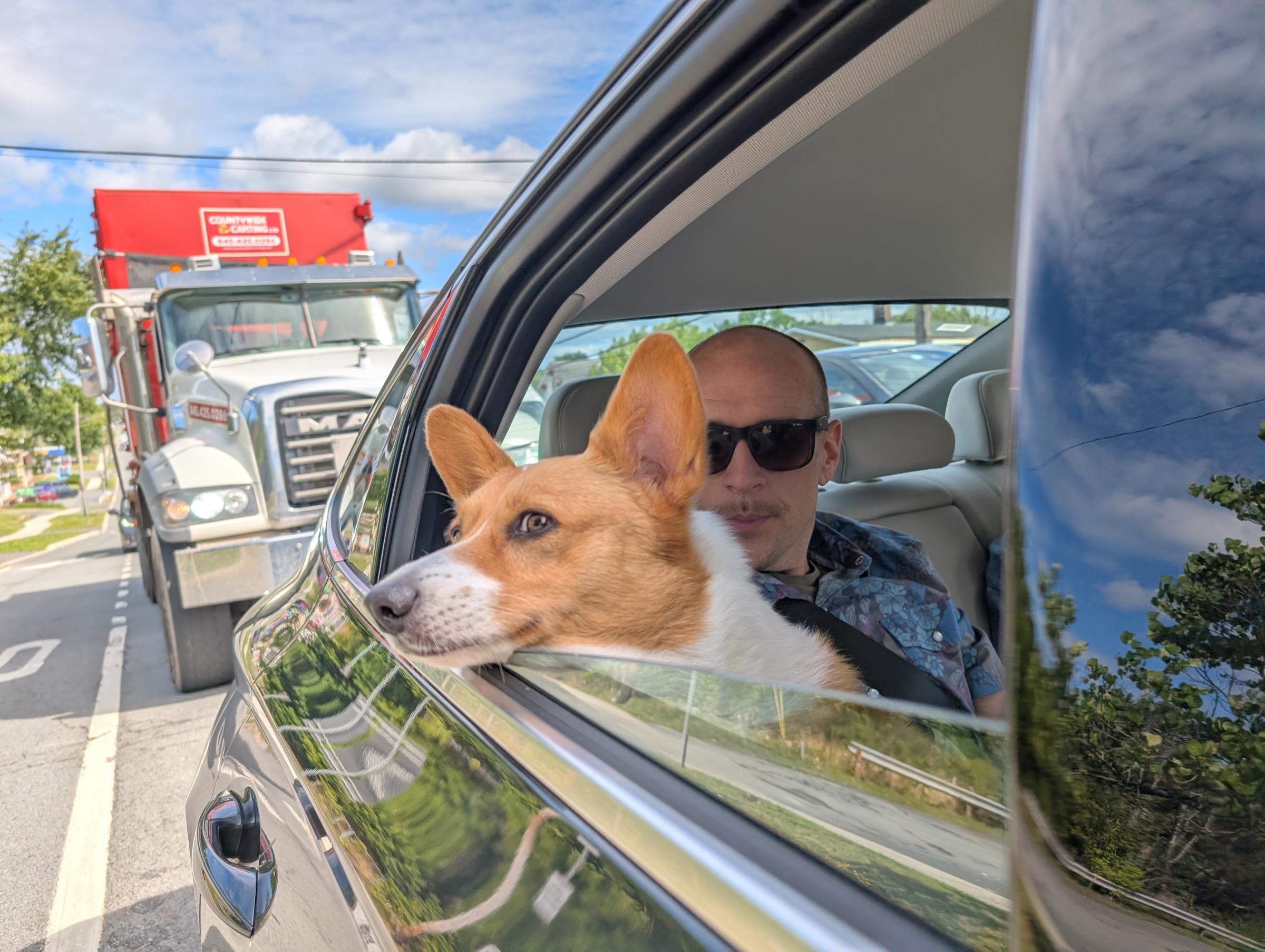
The Data Years - From Mid to Big
Picked up by the data team at Ancestry for writing queries that don’t suck against high volume transactional data. Seven years at Ancestry.com building backoffice ETL with a SQL Server monolith that had 500 billion rows. Ancestry was a magical time, ending my tenure as the query optimization team lead having started as a humble call center admin. We learned how to optimize for big data before the term entered the lexicon and implemented SOX as it was being rolled out in response to Enron.
Then Mozy at VMware, building data systems and reporting infrastructure. We built things that endured — endured so well that a decade later, we were asked to come back and elegantly spin them down with the product line. Probably the best compliment a company can pay you for good design.
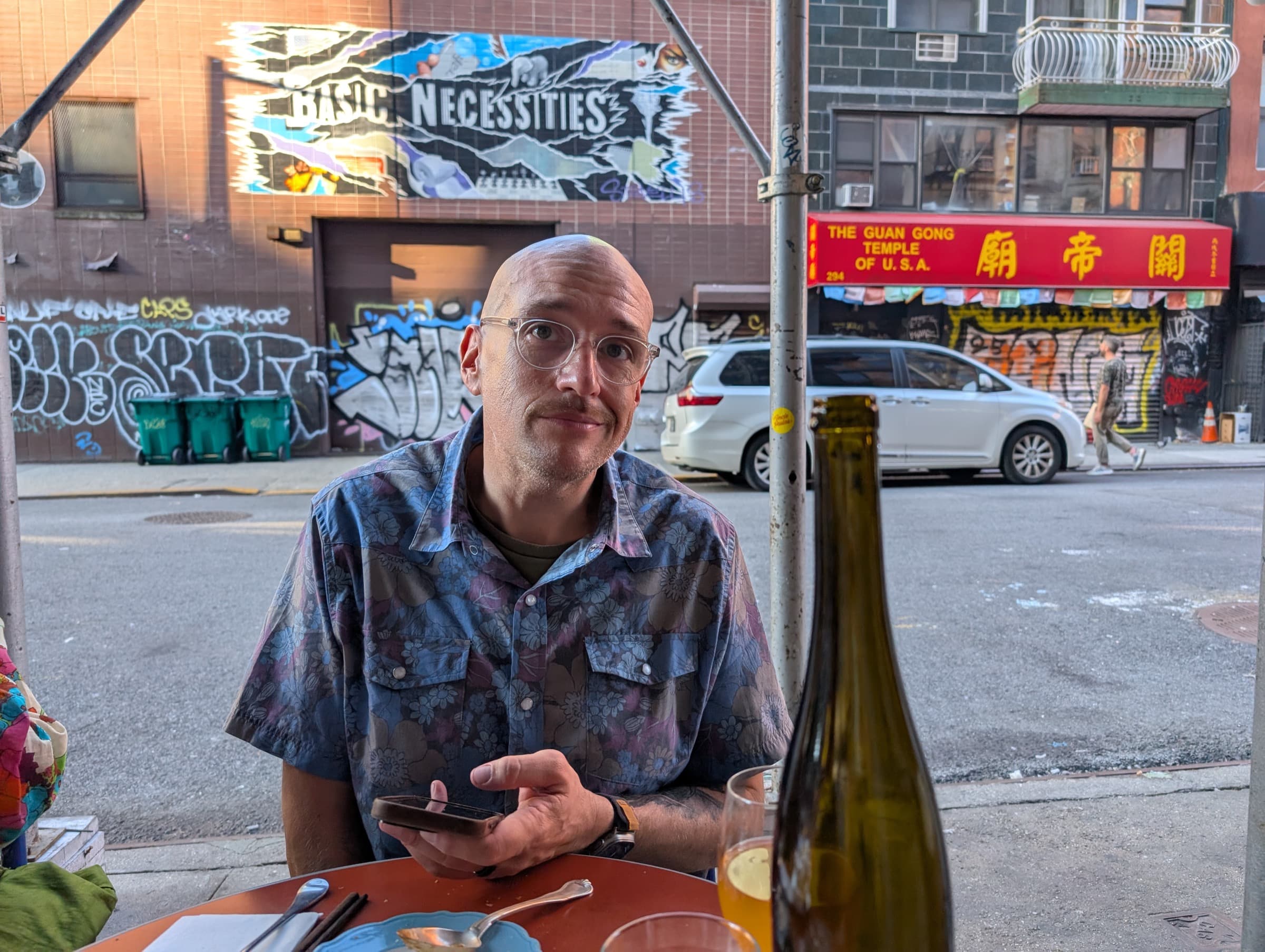
Going Independent - What's a Benefits Plan?
Five years at Align B.I., taking everything I’d learned about data and putting it to work for bigger companies up and down the Silicon Slopes under the tutelage of some great leaders in the data space. The highlights were building up multiple self-sustaining data warehouse teams, creating an ML classifier for standardizing veterinary medication names, and planning zero-downtime database migrations for point of sale systems. The consulting years were where I learned how to walk into a room, figure out what actually needs to happen, and help people get there.
That led to VP of Engineering at Strala, building high-volume eventing systems on serverless and DynamoDB. My first real step from engineering into executive leadership.
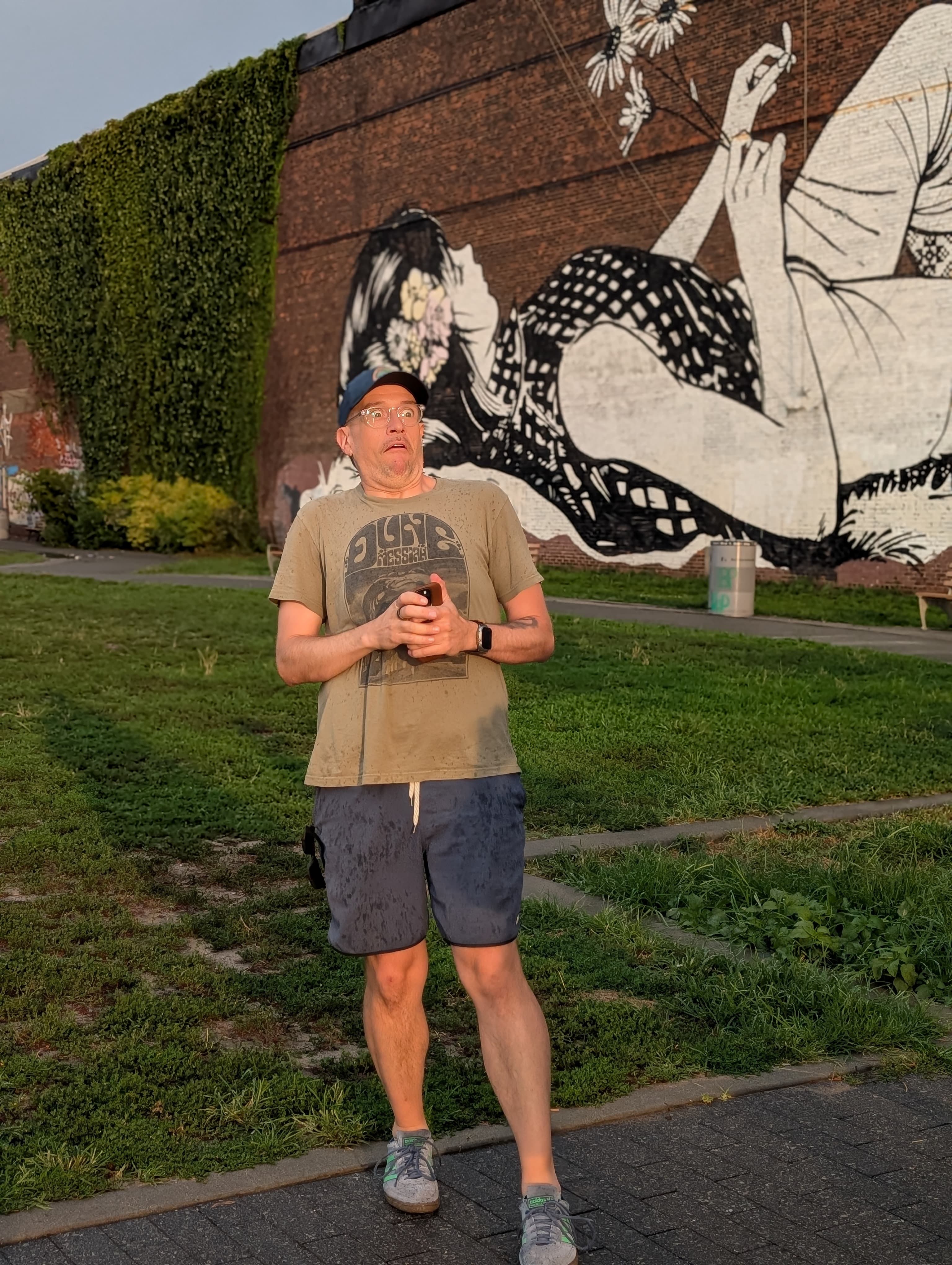
Today - The View from Here; These Hands Are So Old!
Head of Technology at Traeger Grills, a public consumer brand. I run technology for the whole company: a 32-person team across Software Engineering, Business Systems (ERP, CRM, data warehouse, integrations), and Infrastructure (AWS, Kubernetes), smaller than it used to be and shipping more than it ever has, on an eight-figure annual budget we’ve roughly halved since 2021. I mostly try to stay out of the way and make sure people have what they need.
Along the way we consolidated 50 AWS accounts into one organization, migrated from 400+ microservices to four domain-bounded monoliths, rebuilt our mobile app’s reputation from 2.4 to 4.8 stars, cut per-device cloud cost in half, went from two releases a year to one every two weeks, and navigated a hell of a lot of organizational change.
We told that story publicly — first as a chalk talk at AWS re:Invent (CPG205), then as a published AWS case study on cutting per-device cloud costs by 50%.
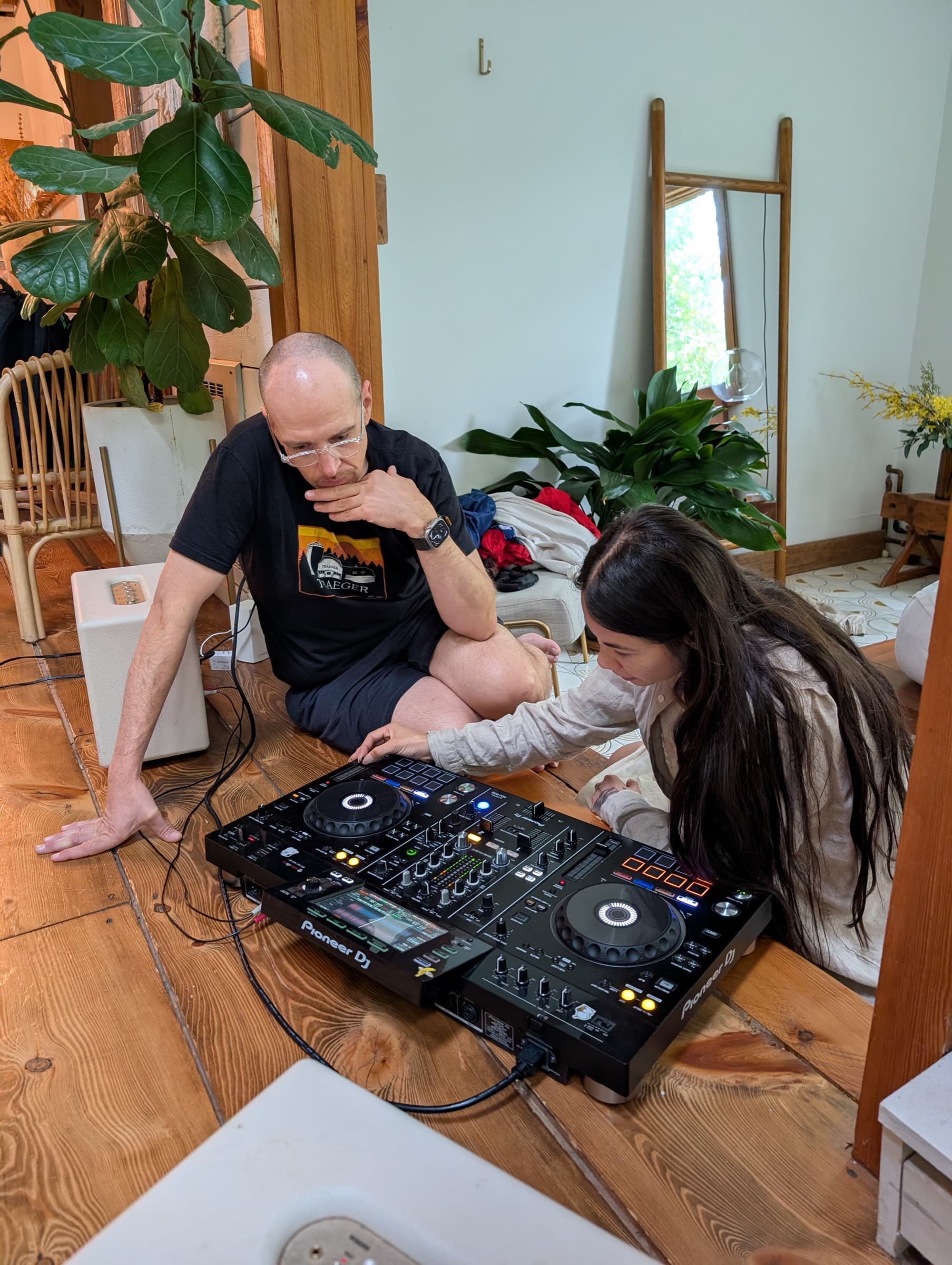
Scaling the Clankers - How I Deploy Enterprise AI
Many AI initiatives fail because they are driven technology-first. At Traeger, we focused on the people — building grassroots momentum with the business alongside the underlying systems and guardrails to scale across the entire engineering org and 230+ business users. In engineering, software development runs through agentic workflows: multi-agent quorum code reviews, automated build pipelines, and system analysis where engineers orchestrate the agents and own the output. Across the business, we met teams where they actually work by building an internal marketplace of role-specific plugins backed by a company-wide Redshift MCP server. Anyone can query live cooks, sales, and shipment data in plain English, using Claude Desktop as the visualization layer on top of the real warehouse.
The guardrail that makes empowerment safe is strict identity passthrough. Our mantras are “When an agent acts for you, it acts as you” and “Humans stand where the risk is.” We build our systems with that paradigm in mind. Agents don’t run on shared service accounts (though the same can’t be said for legacy servers). Every agent uses the Active Directory identity of an individual user, inheriting their exact permissions and nothing else. I’ve sat on a couple of panels over the past year talking about this stuff, and my takeaway is always the same: adoption comes from empowering people in their actual roles, backed by the boring plumbing that keeps it safe.
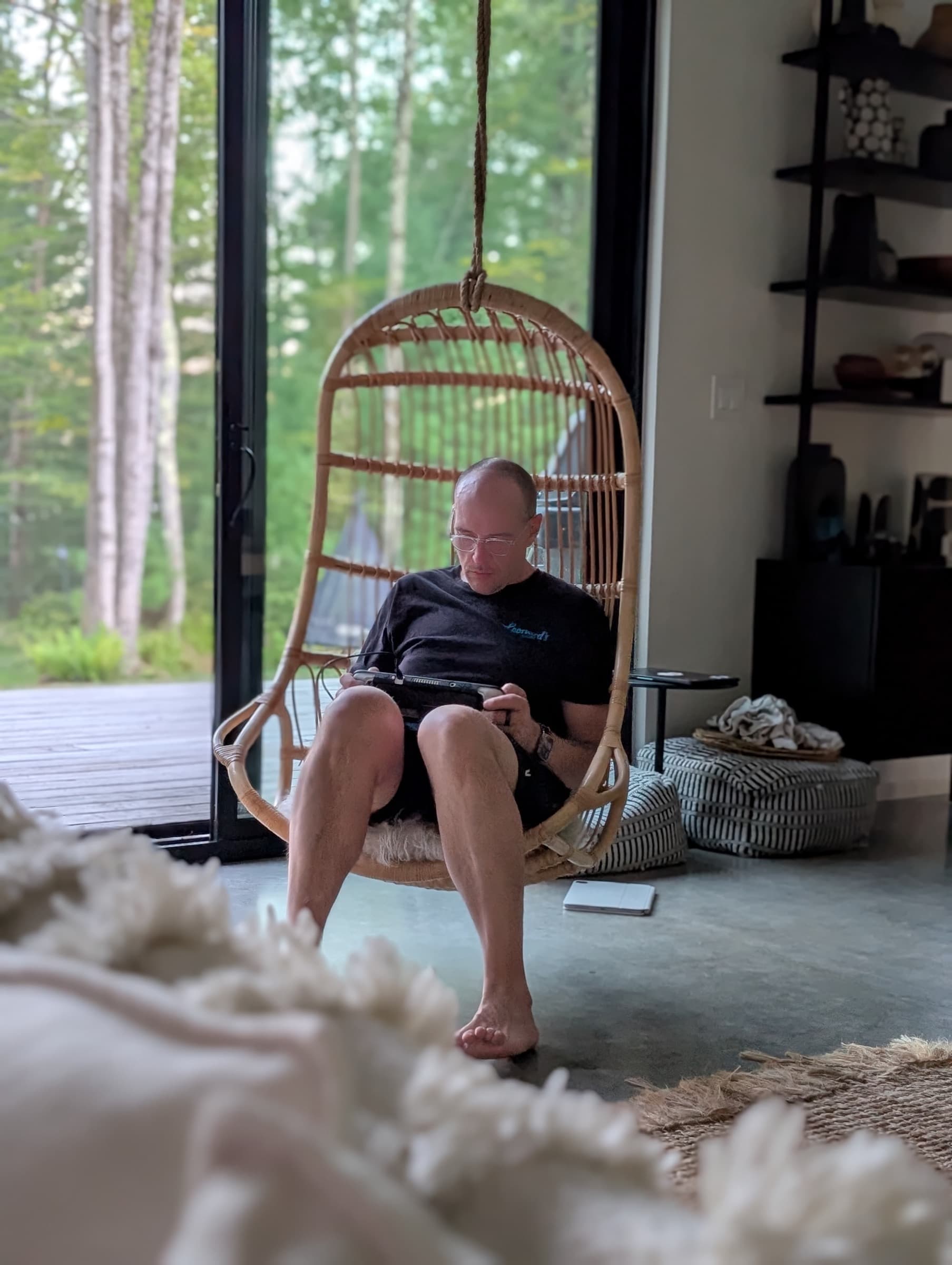
What I Build
Infrastructure that disappears when it works. Data that delivers insights. Teams that don’t need me in the room. Systems that make the next person’s job easier, not harder.
Mostly the boring stuff that lets the interesting stuff happen.
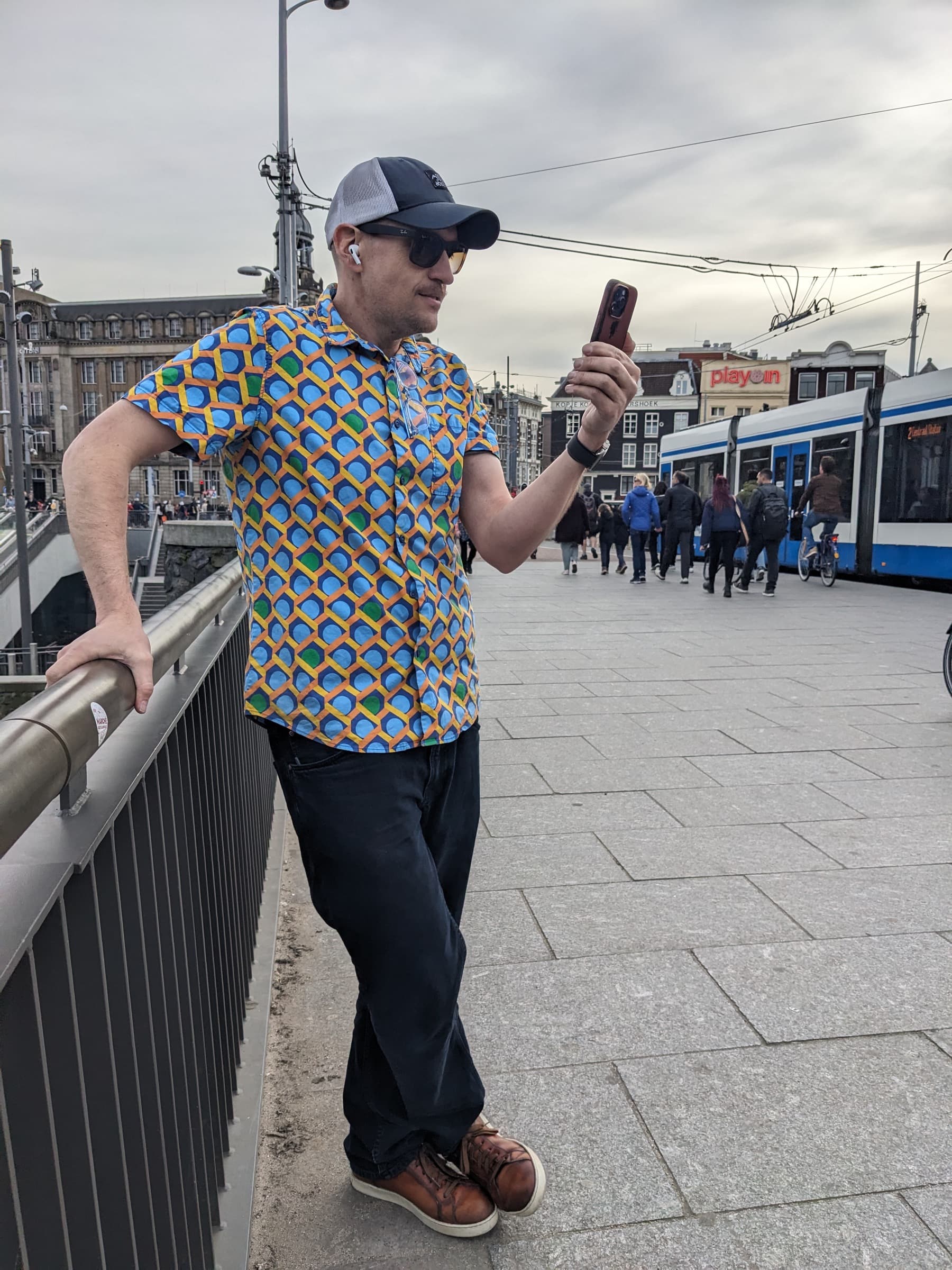
How I Think
I believe in strong opinions loosely held. I always have a position, curiosity about opposing points of view, and a heavy desire to build bridges.
I tend to see everything as a system — inputs, outputs, feedback loops. That applies to technology, organizations, and honestly to myself. It’s a useful lens, and I have to remind myself that it's not the only one.
A pragmatic egalitarian that also likes outdoor sports and a good airshow, I'm an exile in the political wilderness. I think a lot about climate, energy, and where technology fits into both. Nuclear deserves more serious consideration than it gets. AI is going to change a lot of things in ways we’re not ready for. Social media makes us feel further apart than we are. Humans are going to space the easy way or the hard way.
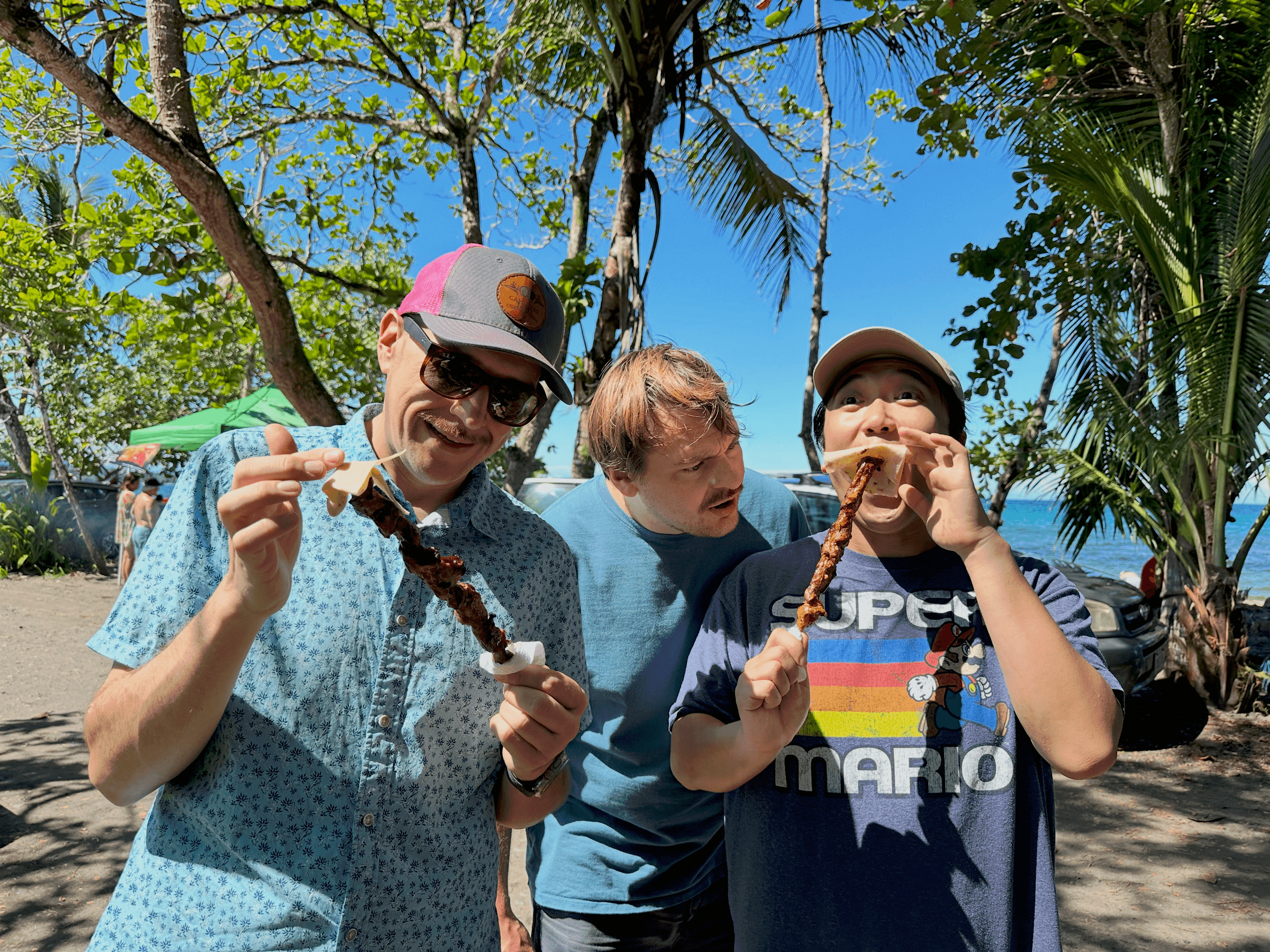
Photo Feed
I don't use social media. This is my feed instead — a window into the things that catch my eye.